Stadium Advertising Strategy and Best Practices
Updated: Sep 28
A strong stadium advertising strategy helps brands get the most value from their advertising presence inside sports venues and arenas. Stadiums are busy environments where fans move, watch, celebrate, and react emotionally.
This guide explains how to plan stadium advertising the right way. It focuses on strategy and best practices only. It does not explain ad formats or benefits in detail. Those topics are covered in Types of Stadium Advertising and Benefits of Stadium Advertising.

What Is a Stadium Advertising Strategy?
A stadium advertising strategy is a plan that defines how, where, and when advertising messages appear inside a stadium.
The goal of this strategy is to make sure ads are visible, easy to understand, and aligned with how fans behave during live events.
A good strategy focuses on audience attention, placement timing, and message clarity.
How Do Brands Plan Stadium Advertising Campaigns?
Brands plan stadium advertising campaigns by setting clear goals before selecting any placements.
These goals may include increasing brand awareness, supporting a product launch, or maintaining long-term brand presence.
Once goals are defined, brands decide where ads should appear and how often they should be shown during events.
Understanding Fan Behavior Inside a Stadium
Fans do not stay in one place during an event.
They arrive early, walk through entrances, move around concourses, sit during gameplay, and leave gradually after the event ends.
Understanding these movements helps brands place ads where fans are most likely to notice them.
For example, fans pay more attention when walking through open spaces and during breaks in play.
How to Choose the Right Advertising Placement
Choosing the right placement is one of the most important strategic decisions.
Brands should select placements based on visibility and fan movement rather than only popularity.
Some placements are best for seated viewing, while others work better when fans are walking or waiting.
Placement options are explained in detail in {Types of Stadium Advertising}.
When Should Stadium Ads Be Shown During Events?

Timing plays a key role in stadium advertising success.
Ads shown before the event, during breaks, and at halftime often receive more attention than ads shown during intense gameplay.
Pre-event and post-event moments are also valuable because fans are more relaxed and observant.
Planning ad timing helps improve message visibility.
Aligning Advertising Messages With Event Emotion
Live events create strong emotions such as excitement, anticipation, and celebration.
Stadium advertising works best when the message matches the emotional tone of the event.
Positive and energetic messages work well during exciting moments, while informative messages perform better during calm periods.
Keeping Messages Simple and Clear
Fans see many ads during a single event.
Messages should be short, easy to read, and focused on one idea.
Long sentences or complex visuals reduce effectiveness because fans do not have time to process them.
Simple messages improve recall and understanding.
Repetition as a Strategic Best Practice
Seeing the same message multiple times helps audiences remember it.
Repetition across different locations inside the stadium strengthens brand recognition.
Using consistent visuals and wording across placements supports this strategy.
Consistency Across All Stadium Touchpoints
All stadium ads should look and sound consistent.
Colors, logos, and tone should match across screens, banners, and other placements.
Consistency helps fans recognize the brand quickly, even when they see it from different angles or distances.
Integrating Stadium Advertising With Other Marketing Channels
Stadium advertising should not work alone.
Brands should align stadium ads with digital marketing, social media, and online campaigns.
Fans often share photos and videos from events. Ads that appear in these visuals can extend reach beyond the stadium.
Planning for Both Live and Broadcast Audiences
Some stadium ads are seen mostly by fans inside the venue. Others appear frequently on television or streaming platforms.
A strong strategy considers both audiences.
Messages should be clear for people watching from a distance and for those viewing on screens at home.
Common Stadium Advertising Mistakes to Avoid
Many campaigns fail because of avoidable mistakes.
Common mistakes include using too much text, placing ads where fans rarely look, and showing messages at the wrong time.
Another mistake is changing messages too often, which reduces brand recognition.
Avoiding these errors improves campaign effectiveness.
Best Practices for Stadium Advertising Strategy
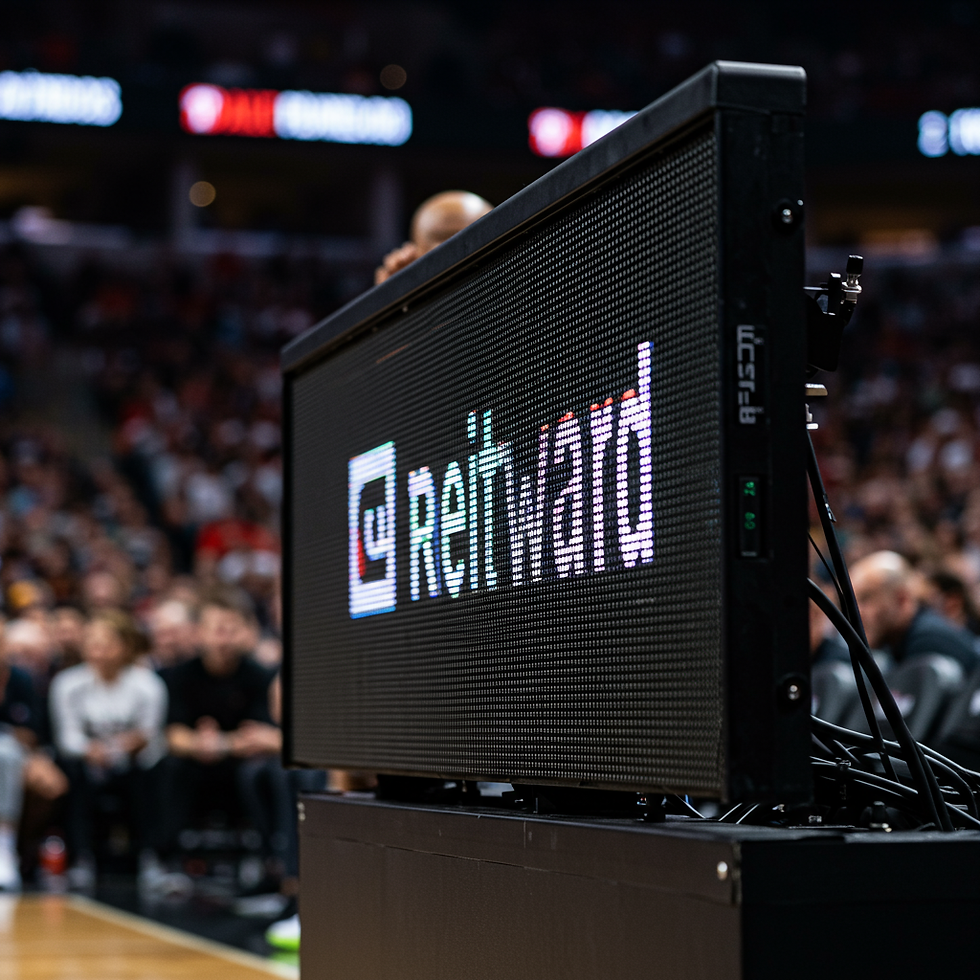
The most effective stadium advertising strategies follow these best practices:
Define clear campaign goals
Understand fan movement and behavior
Choose placements based on visibility
Time ads for high-attention moments
Keep messages short and simple
Use repetition and consistency
Align stadium ads with other channels
Conclusion
A strong stadium advertising strategy focuses on planning, placement, timing, and message clarity.
When brands understand how fans behave and align ads with live event moments, stadium advertising becomes more effective and memorable.
FAQs
What makes a stadium advertising strategy effective?
A stadium advertising strategy is effective when it matches fan behavior, uses clear messages, and places ads where people are most likely to notice them.
How do brands choose stadium advertising placements?
Brands choose placements based on audience movement, visibility, and the moments when fans are most attentive during events.
Why is timing important in stadium advertising?
Timing matters because fans pay more attention before events, during breaks, and at halftime than during intense gameplay.
Should stadium advertising work with digital marketing?
Yes. Stadium advertising works best when it supports digital and social media campaigns and creates consistent brand messaging.


You wrote the best stadium advertising strategy I have also read many other articles but this article has an awesome details regards Highly compressed games 999