How to Choose the Best Billboard Location
Updated: May 12
Billboard advertising can reach thousands of people every day. However, the success of a billboard campaign depends heavily on its location.
A well designed billboard placed in the wrong location may perform poorly. On the other hand, a billboard placed in a high visibility area can attract large audiences and improve brand awareness.
Choosing the right location is one of the most important decisions in outdoor advertising.
If you are new to outdoor marketing, it is helpful to first understand billboard advertising and how it works.

What Is a Billboard Location?
A billboard location refers to the physical place where a billboard advertisement is installed.
This may include areas such as:
Highways
Busy city streets
Commercial districts
Shopping areas
Public transportation routes
The location determines how many people see the advertisement and how long they have to read the message.
A strong location can significantly improve the performance of an advertising campaign.
Why Billboard Location Matters
Location plays a major role in the effectiveness of billboard advertising.
Billboards rely on visibility. If a billboard is placed where people rarely pass by, the advertisement will not reach enough viewers.
A good location allows large numbers of drivers or pedestrians to see the message clearly.
This helps improve brand recall and supports the overall effectiveness of billboard advertising
Key Factors When Choosing a Billboard Location

Several important factors should be considered when selecting a billboard location.
These factors help advertisers determine whether a location will attract attention and generate results.
Traffic Volume
Traffic volume refers to the number of people who pass by a billboard location.
High traffic roads and busy intersections often provide the best exposure for advertisements.
Locations with heavy commuter traffic can display advertisements to thousands of viewers each day.
However, traffic volume alone is not enough. Visibility and viewing conditions must also be considered.
Visibility
Visibility determines how easily viewers can see the billboard.
A billboard should be placed where drivers and pedestrians can notice it clearly.
Factors that influence visibility include:
Viewing angle
Distance from the road
Nearby buildings or trees
Lighting conditions
Billboards that are blocked by obstacles or placed too far from the road may not attract attention.
Traffic Speed
The speed of traffic affects how long viewers have to read a billboard.
Highway billboards are usually viewed for only a few seconds because vehicles move quickly.
Urban billboards may receive slightly longer viewing times because traffic moves more slowly.
Because of this limited viewing time, advertisers must follow principles such as the 3 second rule in billboard advertising
Another important factor is the audience that passes by the billboard.
Advertisers should consider whether the location reaches their target audience.
For example, a restaurant advertisement may perform better near shopping districts or dining areas.
Understanding local demographics helps improve campaign performance and supports better billboard advertising ROI.
High Traffic vs High Visibility Locations

Some billboard locations have high traffic but low visibility. Others have strong visibility but lower traffic.
High traffic locations include busy highways and major commuter routes.
High visibility locations include areas where billboards are placed directly in the viewer's line of sight.
Both factors are important when choosing a billboard location.
You can learn more about this comparison in high traffic vs high visibility billboards.
Highway Billboards vs Urban Billboards
Advertisers often choose between highway and urban billboard locations.
Highway billboards can reach large numbers of drivers each day. These billboards are ideal for building brand awareness.
Urban billboards are often located in busy city streets or commercial areas. These locations may allow slightly longer viewing times and more targeted audiences.
Understanding the differences between these options helps advertisers select the most effective location.
You can explore this topic in more detail in highway billboards vs urban billboards
Billboard Types and Location Strategy
Different billboard formats may perform better in different locations.
Traditional static billboards ) are often placed along highways or major roads where long term exposure is valuable.
Modern digital billboard are commonly found in high traffic urban areas where multiple advertisers can rotate advertisements.
Some campaigns also use mobile billboard advertising to reach audiences in multiple locations throughout a city.
Choosing the right format can help maximize visibility and campaign performance.
How Billboard Location Affects Advertising Costs
Billboard pricing is often influenced by location.
Billboards placed in high traffic areas or major cities usually cost more than billboards located in smaller towns or low traffic areas.
Premium locations may deliver better visibility and reach larger audiences.
Businesses should carefully balance location quality with advertising budgets.
Understanding how much billboard advertising costs helps advertisers plan campaigns more effectively.
Common Mistakes When Choosing Billboard Locations
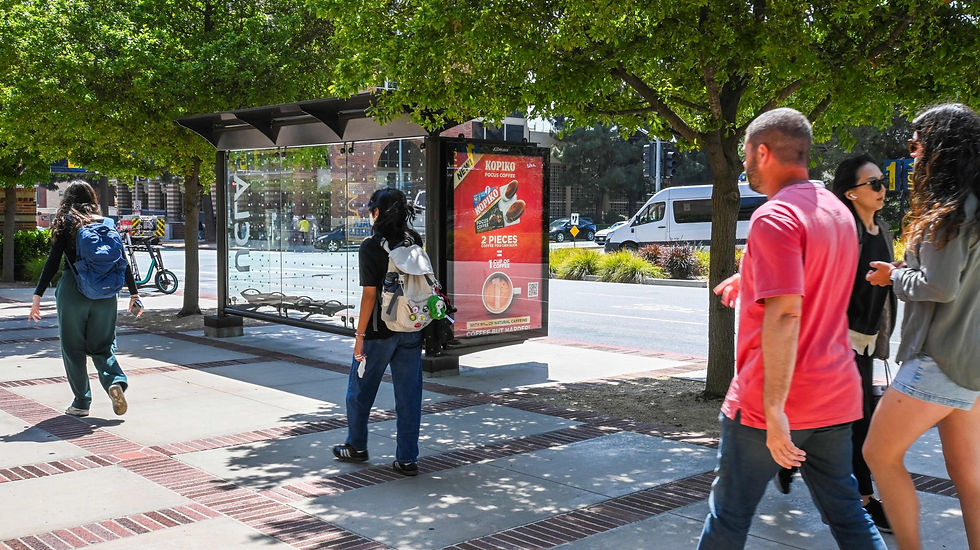
Some advertisers choose billboard locations without fully evaluating their visibility and audience reach.
Common mistakes include:
Selecting locations with low traffic
Placing billboards behind obstacles
Ignoring audience demographics
Choosing locations with poor lighting
These mistakes can reduce campaign effectiveness.
You can learn more about these issues in common mistakes in billboard advertising
How to Evaluate a Billboard Location
Advertisers can use several methods to evaluate potential billboard locations.
One approach is to observe traffic patterns during different times of the day.
Another method is to review traffic data provided by outdoor advertising companies.
Advertisers should also visit the location in person to check visibility, surrounding buildings, and viewing angles.
These steps help ensure the billboard location will attract attention and deliver strong advertising results.
Conclusion
Choosing the best billboard location is one of the most important factors in outdoor advertising success.
A strong location provides high visibility, steady traffic, and access to the right audience.
Advertisers should carefully evaluate traffic volume, viewing conditions, and audience demographics before selecting a location.
When location strategy is combined with strong design and clear messaging, billboard advertising can become a powerful tool for brand awareness and marketing success.


I love managing all the little details in My Perfect Hotel.
Ragdoll Hit is the perfect game to play while waiting for literally anything.
Level Devil proves that frustration and fun aren't opposites, they're best friends.